NARUSE LABORATORY Department of Mechanical System Engineering,
Nagoya University, Tokai National Higher Education and Research System

Developing high-efficiency energy conversion technologies to establish a sound material-cycle society.

Slide Image
Slide Image
Slide Image
Slide Image

News

2026/04/03Member
Three new B4 students have joined our lab! Welcome!
2026/03/25Activity
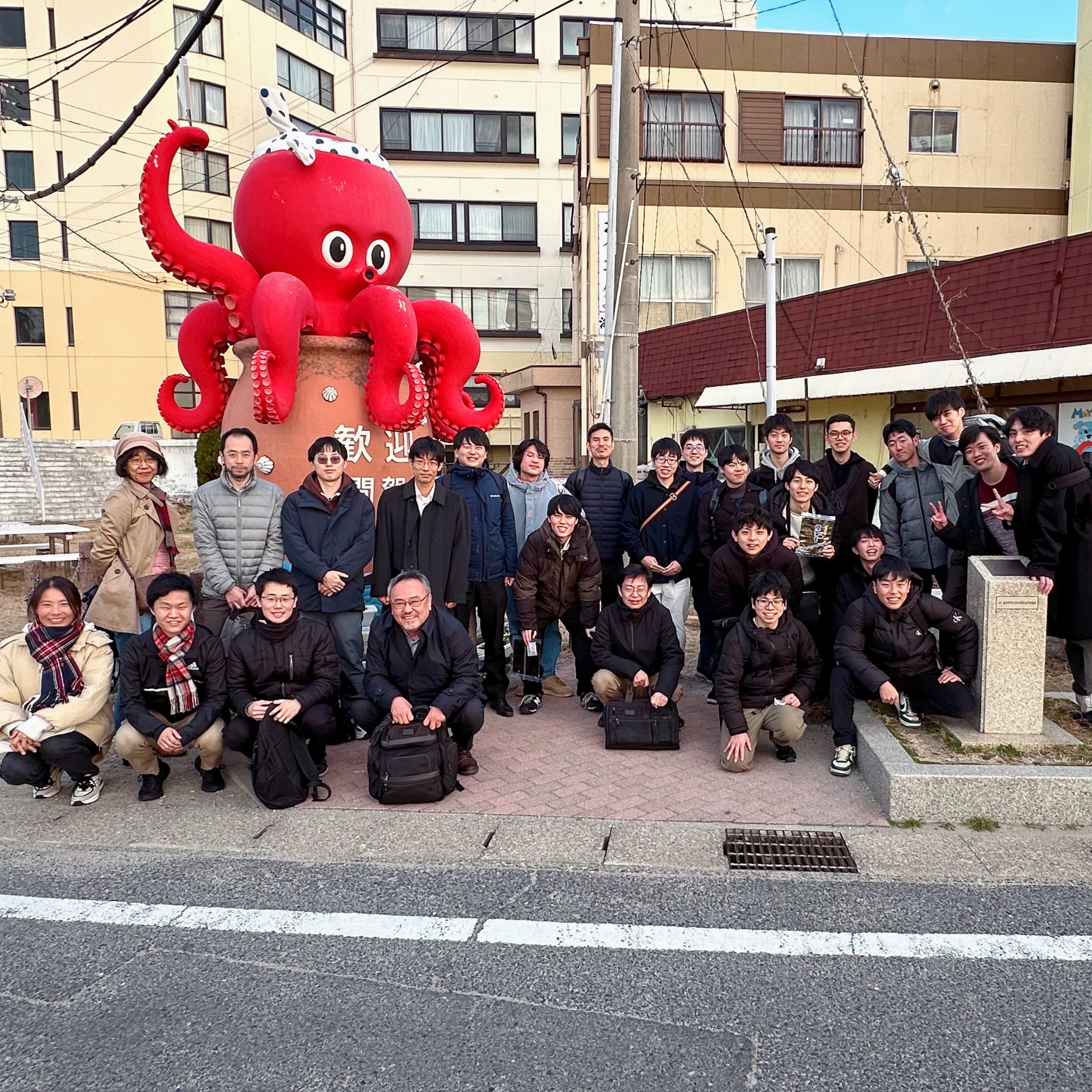
A farewell party was held! Congratulations to M2 and B4 students on your graduation!
2025/04/04Member
In the 2025 academic year, four M1 students and four B4 students have newly joined Naruse lab!
2025/03/25Activity
Graduation ceremony of 2025 held! 7 master’s and 5 bachelor’s students graduated!
2024/12/18Publication
Nozomi Tauchi (D1) has presented at the 20th Biomass Science Conference (organized by the Japan Institute of Energy) held in Kyoto!
2024/12/18Publication
Shoichi Hasegawa(M2)has presented at the 20th Biomass Science Conference (organized by the Japan Institute of Energy) held in Kyoto!
2024/12/18Publication
Dai Takahashi (M1) has presented at the 20th Biomass Science Conference (organized by the Japan Institute of Energy) held in Kyoto!
2024/11/25Publication
Takuma Yoneda (M1) has presented at The 62nd Symposium (Japanese) on Combustion held in Osaka! Research:Elucidation of Formation Behavior of Fine Particles and Trace Elements in Biomass Gasification Process
2024/11/21Publication
Shohei Matsunari has presented at the 12th Asian Conference on Biomass Science.
2024/11/21Publication
Hiromitsu Watanabe has presented at the 12th Asian Conference on Biomass Science.
2024/11/12Publication
Zhenjie Zheng has presented at the Second Symposium on Carbon Ultimate Utilization Technologies for the Global Environment (CUUTE-2).
2024/10/30Publication
Zhenjie Zheng has presented at the The 61st Coal Science Conference held in Takamatsu, Japan.
2024/09/18Publication
Shunsuke Nagae has presented at the The 188th The Iron and Steel Institute of Japan (ISIJ) Meeting held at Osaka University, Japan.
2024/09/11Publication
Norihiro Ito has presented at the SCEJ 55th Autumn Meeting held at Hokkaido University, Japan.
2024/09/11Publication
Noboru Kawabe has presented at the SCEJ 55th Autumn Meeting held at Hokkaido University, Japan.
2024/09/11Publication
Noboru Kawabe has presented at the SCEJ 55th Autumn Meeting held at Hokkaido University, Japan.
2024/09/11Publication
Hayato Onoue has presented at the SCEJ 55th Autumn Meeting held at Hokkaido University, Japan.
2024/09/09Publication
Daiki Nii has presented at The 35th Annual Conference of Japan Society of Material Cycles and Waste Management held at Tsukuba, Japan.
2024/09/08Publication
Prof.Yoshiie presented at JSME Annual Meeting 2024 at Ehime University, Japan.
2024/09/04Publication
Zhenjie ZHeng presented at The 9th Asia Steel International Conference (Asia Steel 2024) held in Changsha, Chaina.
2024/08/08Publication
Kohei Kada presented at The 32nd Annual Conference of the Japan Society of Energy held at Fukuoka University, Japan.
2024/08/08Publication
Shun Mukomoto presented at The 32nd Annual Conference of the Japan Society of Energy held at Fukuoka University, Japan.
2024/06/28Activity
Yuxin Wang has successfully earned his Doctor of Engineering degree. Congratulations!
2024/06/17Publication
Shohei Matsunari has presented at The 28th Power and Energy Technology Symposium in Kyoto!
2024/03/13Publication
Associate Professor Ueki has presented at the 187th Spring Lecture Meeting of the Iron and Steel Institute of Japan held at Tokyo University of Science.
2023/07/25Activity
The relocation of the Naruse Laboratory has been successfully completed.
2020/03/06Activity
Visit to laboratory for new B4 in 2020 ・Please come to the meeting place on the following date and time if New B4 students wish to visit the Naruse laboratory. ・Date and Time:13:00, 13:30, 14:00, 14:30 on Friday, March 6, 2020 ・Place:Room 107, Mechanical Engineering Laboratory
2017/03/06~08Publication
SCEJ 82nd Annual Meeting, Mar.6-8,2017 ・Characterization of tar from pyrolysis and steam gasification of ABS, PC and PE in a batch furnace, (Hiroshima U.)*(Ful)Nunome Yoko, (Nagoya U.)(Stu)Suzuki Toshiya, (Stu)Nedjalkov Ivan, (Ful)Ueki Yasuaki, (Ful)Yoshiie Ryo, (Ful)Naruse Ichiro ・Emission behaviors of initial pyrolysis gas in waste incineration process, (Nagoya U.)*(Ful)Yosiie Ryo, (Stu)Idera Ryo, (Ful)Ueki Yasuaki, (Ful)Naruse Ichiro

About us

Our laboratory focuses on five related topics: ash deposition, combustion, gasification, ironmaking and cogeneratio to contribute to a sound material-cycle society.

01灰付着

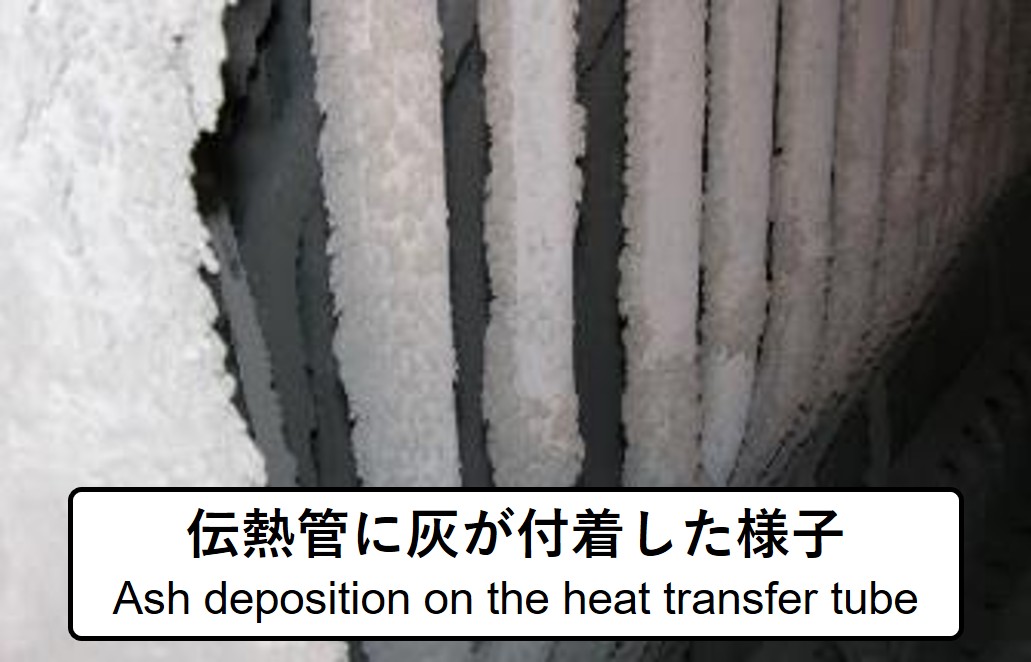
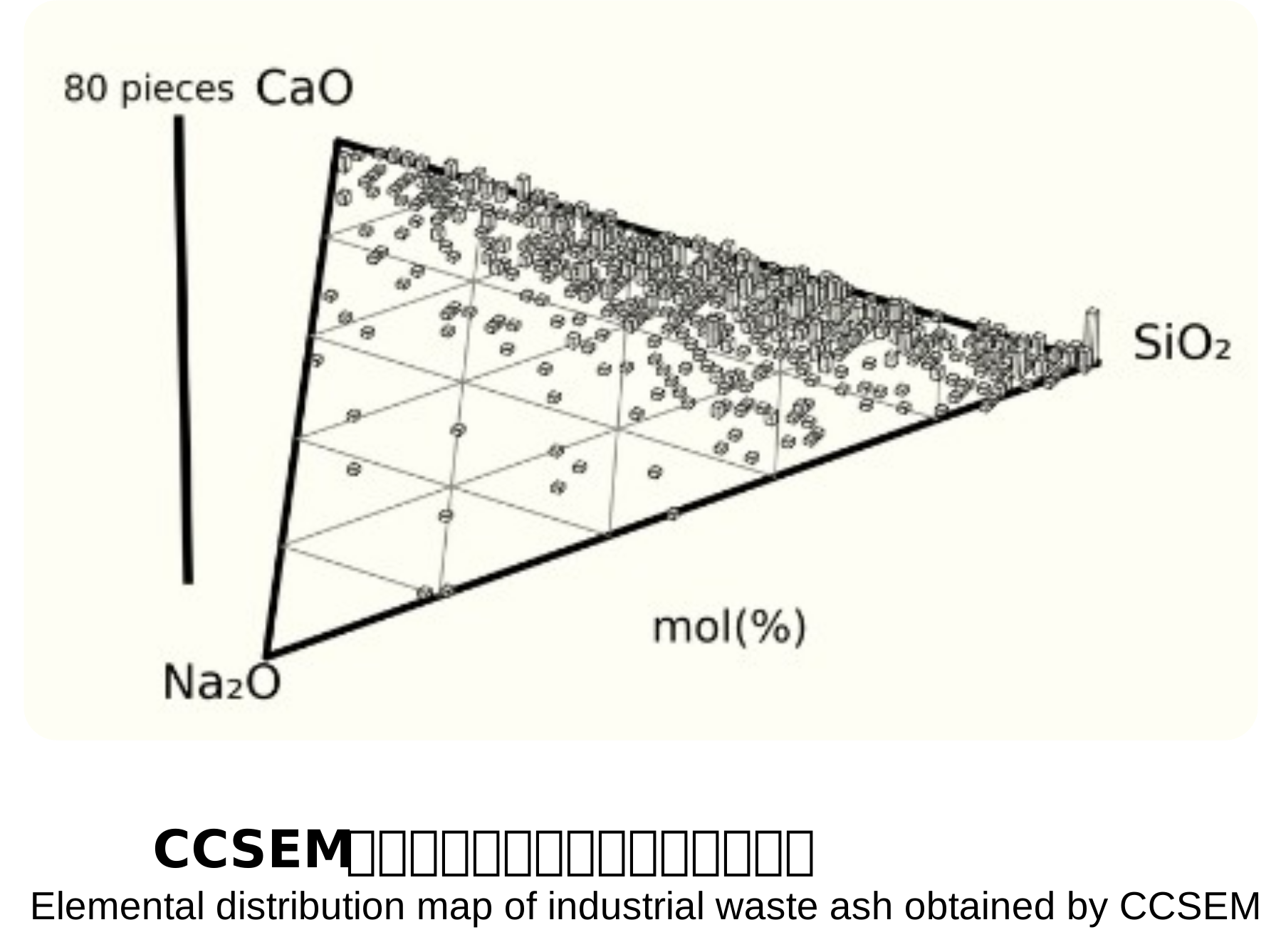
Ash generated during the combustion of industrial waste and biomass can melt or vaporize and deposit on heat transfer tube surfaces, causing slagging and fouling that reduce boiler efficiency and increase maintenance requirements.This study investigates ash deposition behavior using a drop tube furnace (DTF) that simulates practical boiler conditions. Deposited samples are analyzed by electron microscopy and thermodynamic calculations to clarify deposition mechanisms. In addition, Computer-Controlled Scanning Electron Microscopy (CCSEM) is applied for large-scale statistical analysis of ash particle composition and aggregation characteristics. Based on these insights, this research proposes a thermal spray coating technique to mitigate ash deposition on heat transfer surfaces.
The related themes:

  • Study on control of ash deposition during energy recovery from industrial waste
  • Study on ash deposition behavior in biomass combustion
  • Study on mechanisms and control of ash deposition in industrial waste treatment furnaces

伝熱管に灰付着の写真 伝熱管に灰付着イメージ図
02燃焼挙動

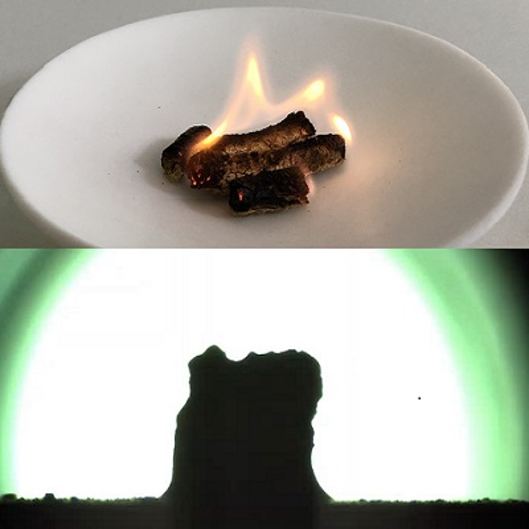
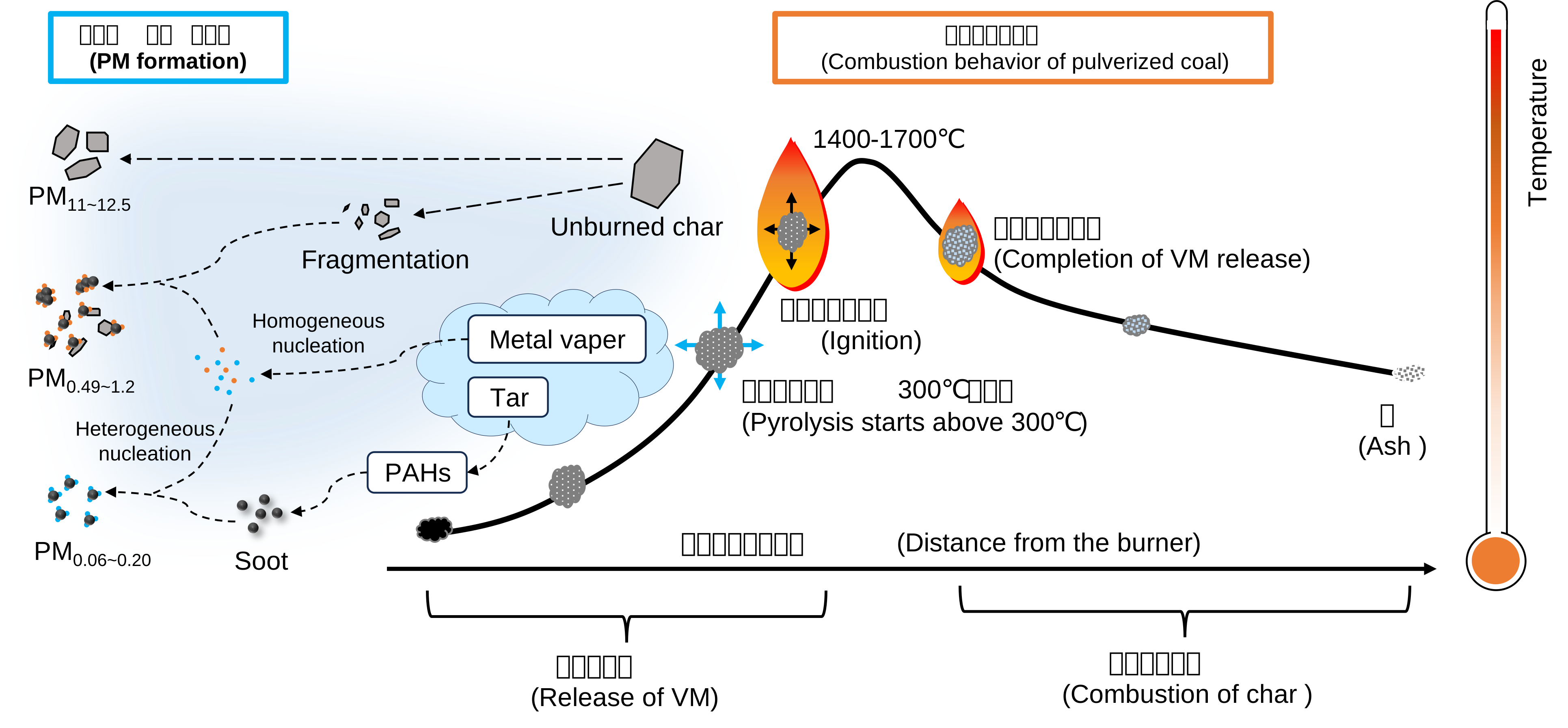
Solid fuels include coal, woody biomass, sewage sludge, waste, and refuse-derived fuel (RDF). Direct combustion for heat recovery is an effective method for rapidly extracting energy from these low-grade fuels. This research aims to develop next-generation combustion technologies that achieve both stable operation and low emissions. Combustion experiments with various types of woody biomass are conducted, and reaction models for volatile release and char combustion are selected and accurately fitted to enable prediction and control of combustion processes in practical systems. In addition, combustion generates environmental pollutants such as nitrogen oxides (NOx, N2O), sulfur oxides (SOx), and particulate matter (PM). Their formation depends on fuel properties and combustion conditions. This research group seeks to elucidate the formation mechanisms of these pollutants and establish effective control strategies.
The related themes:

  • Elucidation and modeling of combustion behavior of various biomass fuels
  • Investigation of mono-firing and co-firing behavior of methane and ammonia
  • Elucidation of formation behavior of particulate matter and trace species during biomass combustion

03ガス化挙動

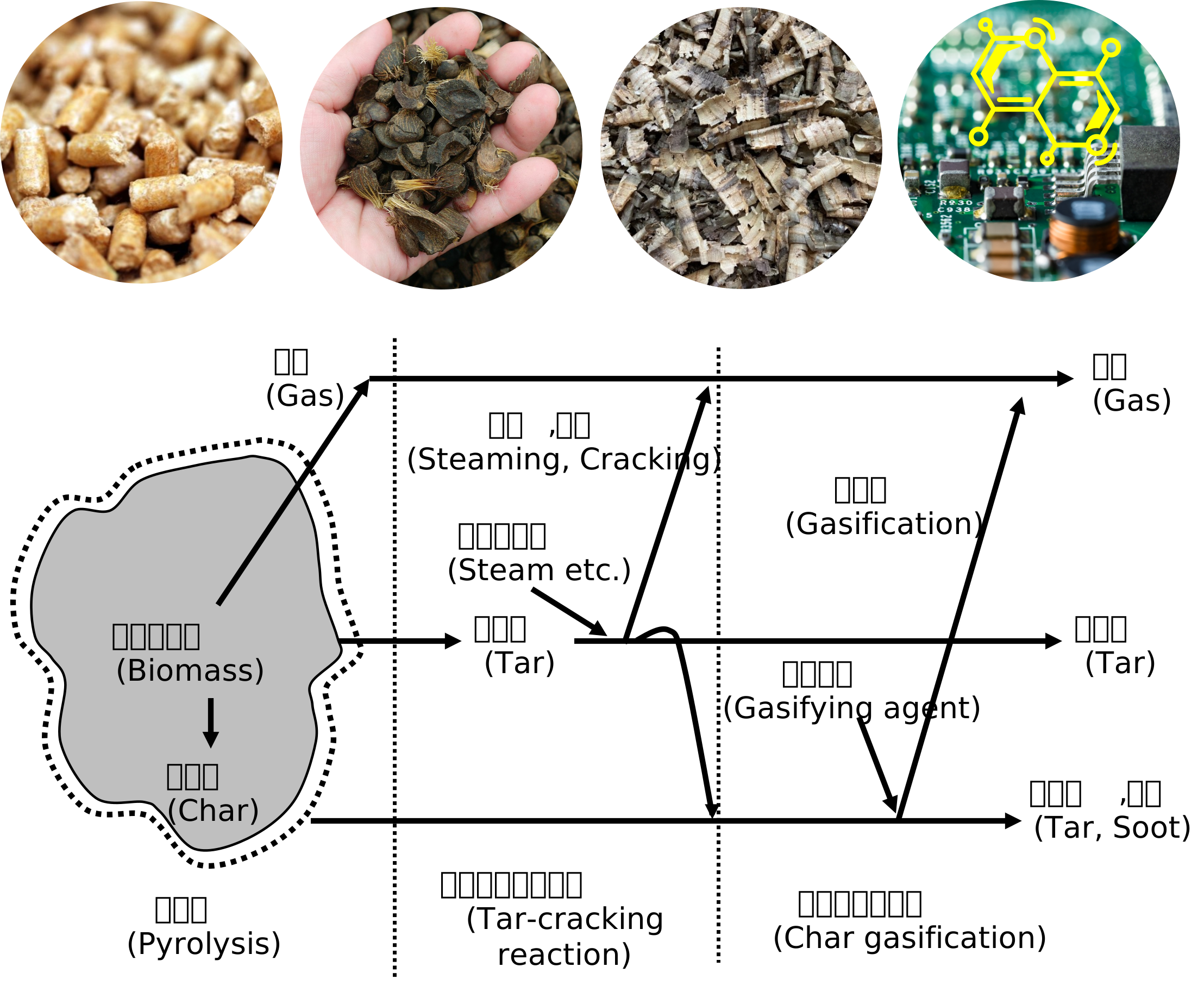
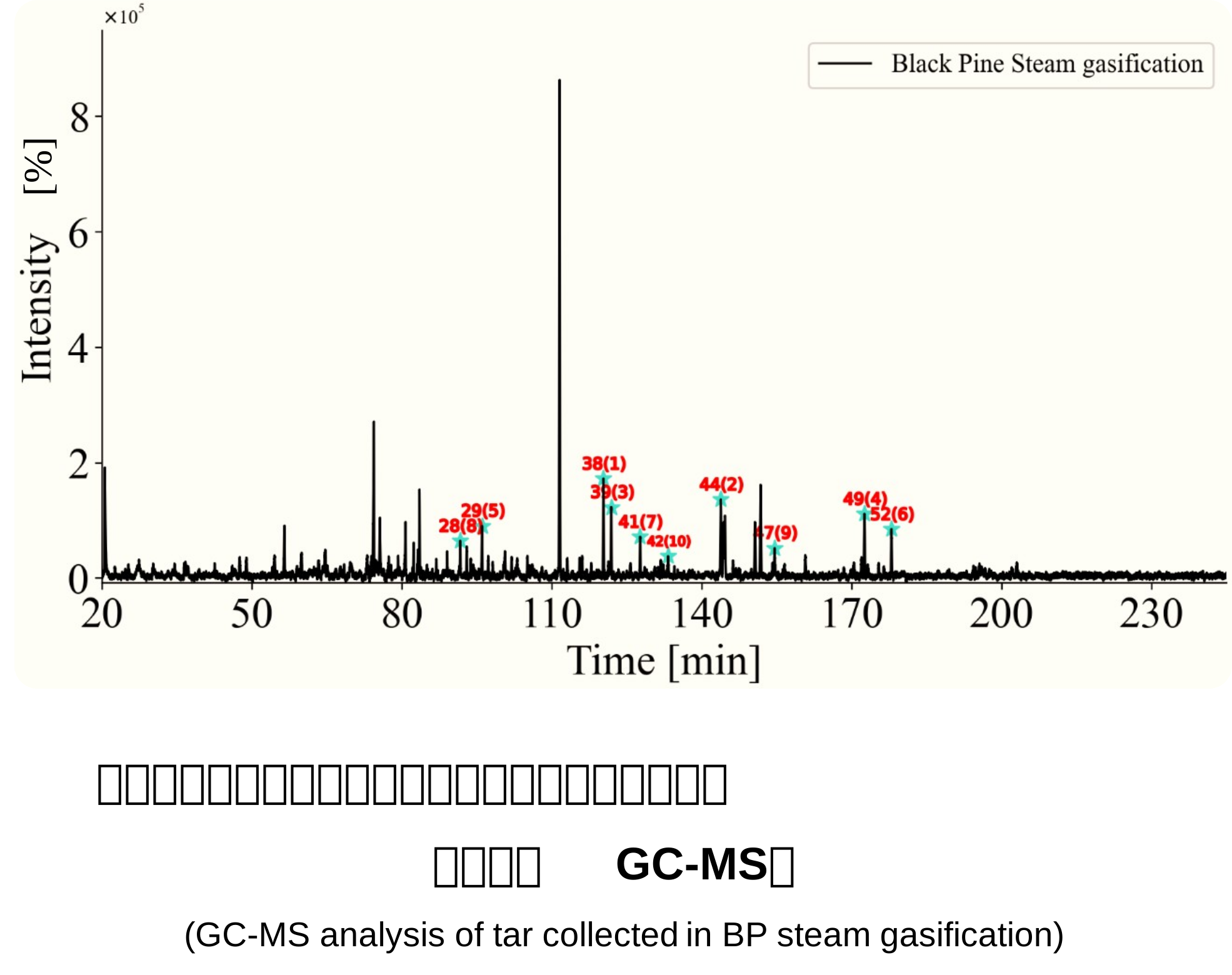
Gasification is a process in which a limited amount of air is supplied to solid fuels to induce partial combustion, converting them into combustible gases such as CO and H2. Biomass resources face challenges such as low energy density and uneven geographical distribution, making efficient small-scale energy conversion technologies like biomass gasification increasingly important. However, reduced air supply can lead to localized temperature drops in the gasifier, resulting in the formation of large amounts of tar (CnHm). To address this issue, steam addition is employed to promote tar reforming reactions (CnHm + nH2O → nCO + (n + m/2)H2), thereby suppressing tar formation. In addition, this study focuses on steam gasification of biomass-derived char for hydrogen production through complete gasification. Tar composition is analyzed using Gas Chromatography–Mass Spectrometry (GC-MS), while product gas composition is measured using a micro gas chromatograph (micro-GC).
The related themes:

  • Steam gasification of biomass char
  • Steam gasification behavior of rubber and formation behavior of tar and soot

04製鉄とプロセス

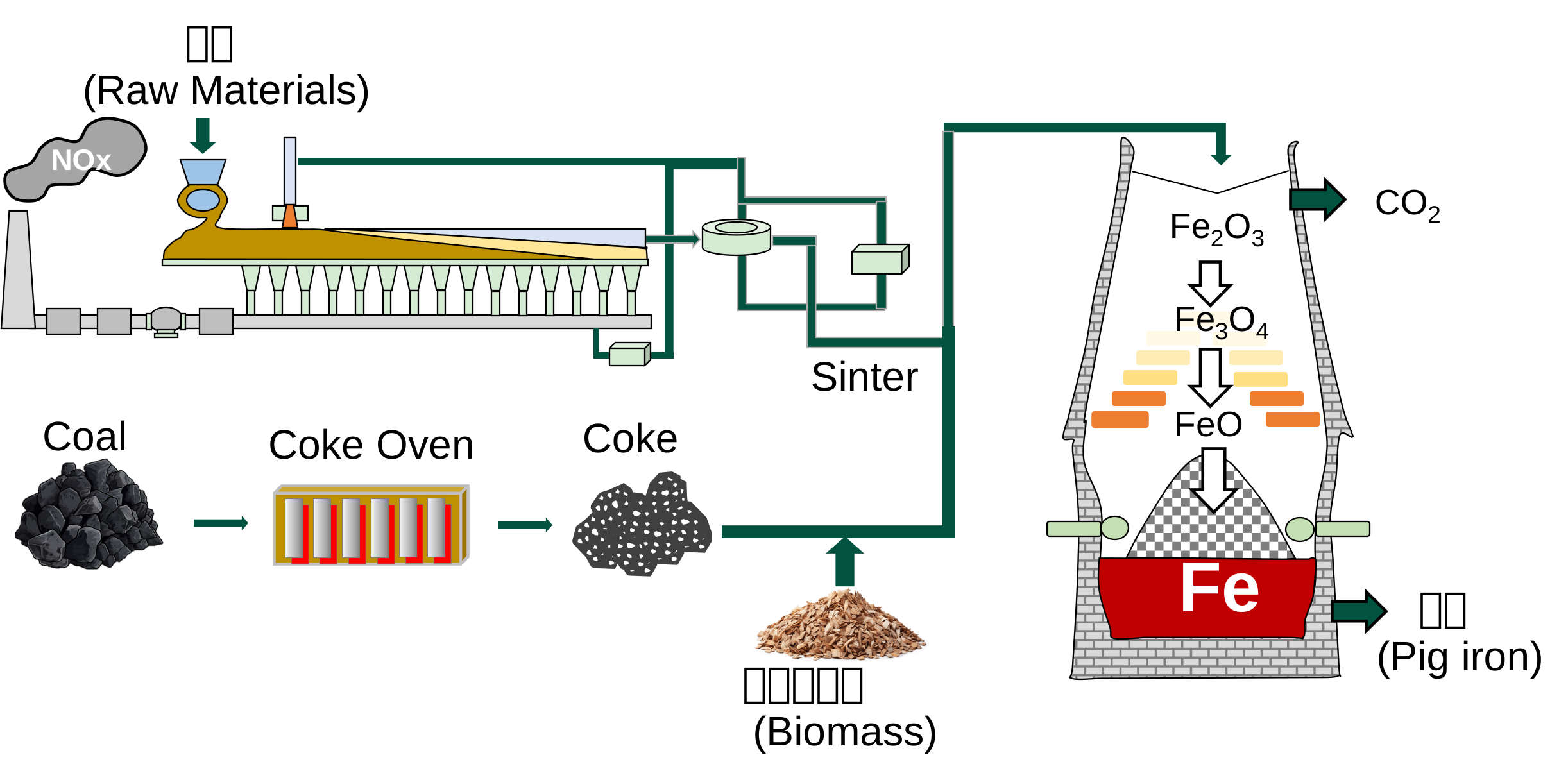
The steel industry is a key sector for achieving decarbonization, accounting for approximately 12% of total CO2 emissions in Japan. In particular, the ironmaking process—comprising sintering, coke ovens, and blast furnaces—accounts for about 70% of emissions within steelworks. This is largely due to the essential role of coke in providing heat, reducing iron ore, and maintaining permeability inside the blast furnace. To ensure sufficient coke strength, a high proportion of coking coal is typically required. However, reducing its use and developing alternative carbon-neutral coke are urgent challenges. This study aims to partially replace coking coal with biomass-derived char and to produce high-strength, highly reactive carbon-neutral coke through binder addition. Furthermore, since the sintering process is a major source of NOx emissions, this research also focuses on developing a NOx reduction system capable of long-term operation with continuous biomass char supply.
The related themes:

  • Production of carbon-neutral coke using biomass-derived tar
  • Development of a novel NOx reduction system using calcium ferrite-based compounds
  • Study on pulverization and ash particle behavior during coke gasification
  • Deterioration of fluidization behavior in fluidized roasting furnaces for zinc roasting processes

05流動層

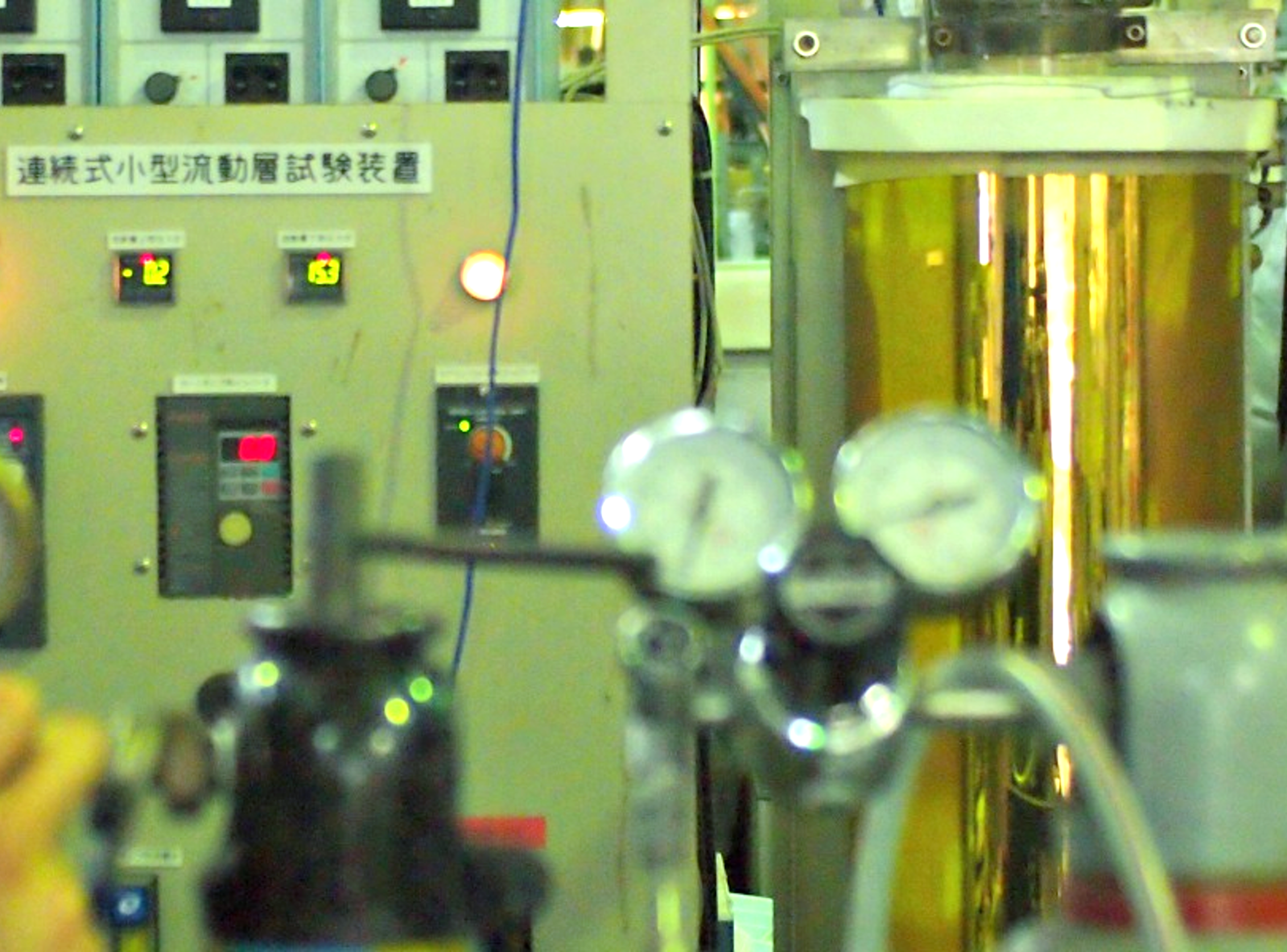
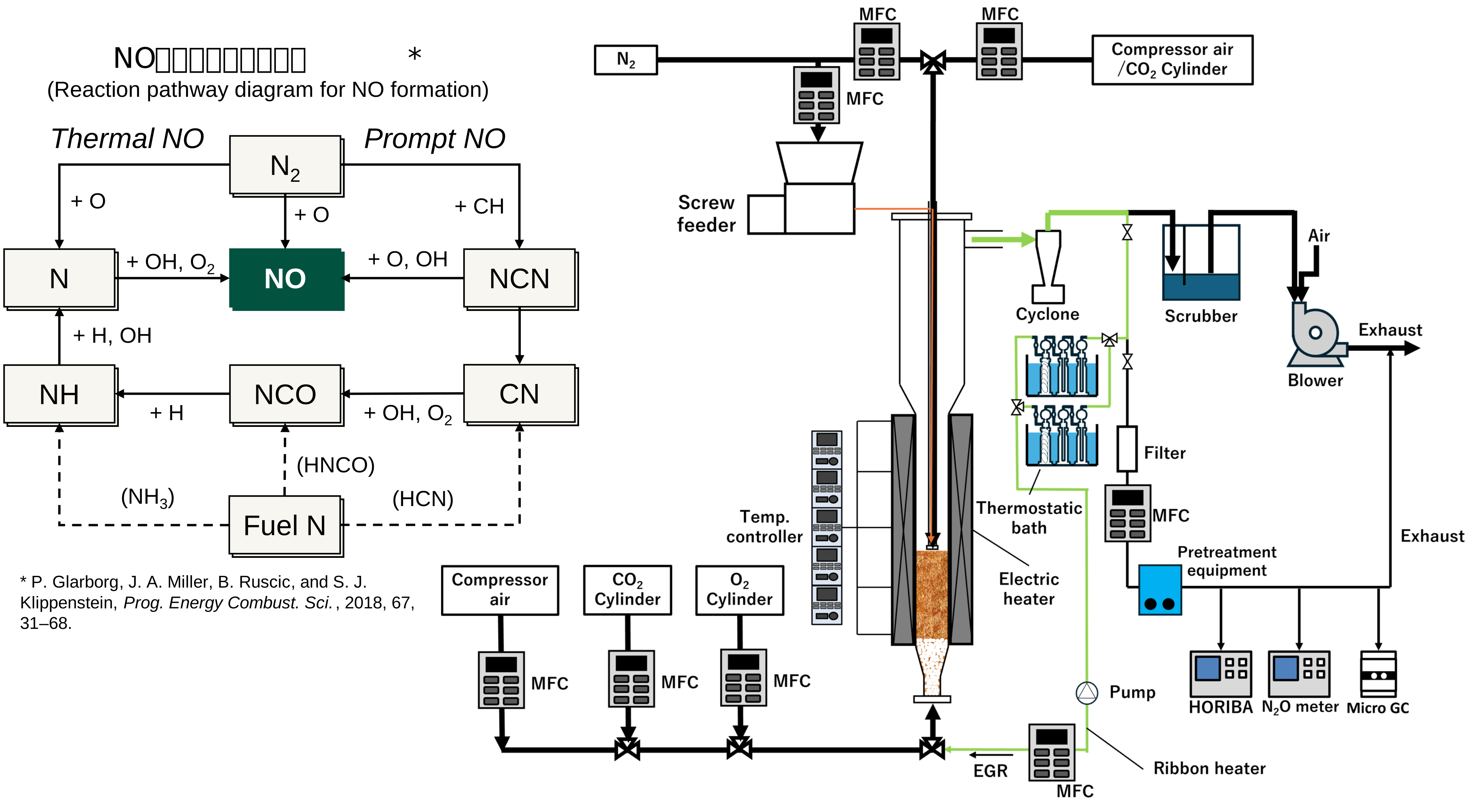
A fluidized bed is a representative chemical reactor in which solid particles are suspended and agitated by an upward gas flow. By supplying air from the bottom, fuel and bed materials (e.g., silica sand) are fluidized, enabling uniform mixing of fuel, oxygen, and heat. This allows stable combustion at relatively low temperatures (700–950 °C) with high combustion efficiency. As a result, fluidized beds are widely used for low-calorific, high-moisture fuels such as municipal solid waste (MSW) and sewage sludge. While low-temperature combustion suppresses emissions of NO and NO2 as well as SOx, it can increase the formation of N2O, a potent greenhouse gas. This study investigates NOx emission characteristics in fluidized bed waste combustion and aims to elucidate the formation and reduction mechanisms of NOx based on elementary reaction kinetics, taking into account both gas-phase and gas–solid reactions.
The related themes:

  • Steam gasification of biomass-derived char
  • Effect of exhaust gas recirculation (EGR) on NOx formation during waste combustion
  • Study on combustion of dried sewage sludge in fluidized beds